
Preserving flowers in resin has become an increasingly popular craft, allowing creators to turn beautiful blooms into timeless keepsakes. However, working with resin requires specific safety precautions to ensure both the success of the project and the well-being of the crafter, so that you can continue to enjoy making your art!! It’s essential to be aware of the potential hazards associated with resin use, such as fumes, skin contact, and the effects of sanding dust. By taking the right steps and using the proper protective equipment, you can safely enjoy this creative activity. **We do earn commissions on the linked items, so if you do buy through them, we thank you!!
Understanding Resin and Its Risks
Composition and Chemical Nature of Resin
Resin is a versatile material, but controllable with the right understanding, commonly used in craft projects such as preserving flowers. It typically consists of two parts: the resin itself and a hardener. When these components are mixed, a chemical reaction occurs, transforming the liquid into a solid state. This transformation is what makes resin so appealing to crafters. However, it’s important to note that both components often contain chemicals like epoxies and polyesters that can pose risks if not handled properly. Therefore, understanding the chemical nature of resin is crucial for ensuring safety during any crafting project.
Potential Health Hazards
Working with resin can pose several health hazards. The chemicals can emit volatile organic compounds (VOCs), which may be harmful if inhaled over prolonged periods, which is why a good respirator is important. Short-term exposure can result in skin irritation, respiratory issues, and allergic reactions. In severe cases, direct contact with the skin can cause chemical burns, so gloves are essential as well. It’s essential that anyone working with resin recognizes these potential hazards and takes proactive steps to mitigate them.
Environmental Concerns
In addition to health risks, resin also poses environmental concerns. Improper disposal of resin waste and leftovers can contribute to pollution. Resin is not biodegradable, so disposing of it improperly can negatively impact the environment. Crafters should always aim to dispose of resin materials according to local regulations and guidelines, ensuring minimal environmental impact.
Personal Protective Equipment (PPE) Essentials
Selecting the Right Gloves
Choosing the correct gloves is paramount when working with resin. Nitrile gloves are recommended because they provide a strong barrier against chemicals and are less likely to cause an allergic reaction than latex gloves. It’s important to ensure the gloves fit well, as loose gloves can make it harder to work with precision and might get caught on tools. Remember, the goal is to keep your skin safe from direct contact with resin, as well as any potential allergens or irritants within the mixture.
Importance of Respiratory Protection
Respiratory protection is crucial due to the fumes released during the mixing and curing phases of resin. Wearing a respirator with cartridges designed for organic chemicals can help minimize inhalation risks. It’s critical to choose a respirator that fits snugly and establish a proper seal around the nose and mouth. For individuals working in an enclosed area, maintaining good ventilation by using fans or working near open windows can further reduce exposure to harmful vapors.
Safety Goggles and Protective Clothing
The use of safety goggles is essential to protect your eyes from resin splashes or stray particles while sanding cured pieces. Regular eyewear is not sufficient, as they typically do not provide a complete seal. In addition, wearing long-sleeved clothing and a protective apron can shield your skin from accidental spills or splashes. Clothes specifically designated for resin work can prevent damage to regular clothing and add an additional layer of protection.
By understanding the composition of resin, acknowledging the associated risks, and equipping oneself with proper protective gear, crafters can ensure a safe and successful flower preservation project.
Safe Workspace Setup
Creating a safe workspace is crucial for preserving flowers in resin, ensuring both a successful project and personal safety. Here’s how to optimize your work area.
Ventilation and Airflow
Working with resin requires adequate ventilation to prevent inhaling harmful fumes. Open windows and doors to promote natural airflow. If feasible, use fans to help direct fumes out of the room. For enclosed spaces, consider investing in a ventilation system or using a workshop with built-in exhaust capabilities. A properly ventilated environment significantly reduces the risk of respiratory issues.
Organizing Tools and Materials
Having a well-organized work area not only increases efficiency but also minimizes the risk of accidents. Keep the tools and materials you’ll need, such as resin, measuring cups, stir sticks, gloves, deburring tools, and molds, within easy reach. Assign specific spots for each item to prevent clutter. Consider using trays or bins to separate out different supplies, reducing the likelihood of knocking over containers or mishandling tools.
Establishing a Clean and Controlled Environment
Maintaining cleanliness is vital when working with resin. Dust and debris can negatively affect the outcome of your project. Before starting, clean your workspace thoroughly, removing any loose particles. Use a tarp or disposable table cover to protect surfaces. Ensure that pets and small children are kept away from the area to prevent accidental contamination and exposure to resin.
Proper Handling and Usage
Handling and using resin with care is essential to protect yourself from potential risks and to achieve optimal results in flower preservation.
Measuring and Mixing Resin Safely
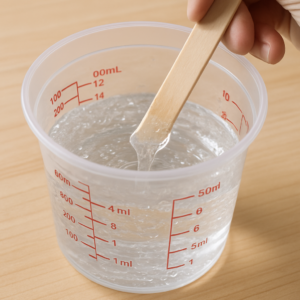
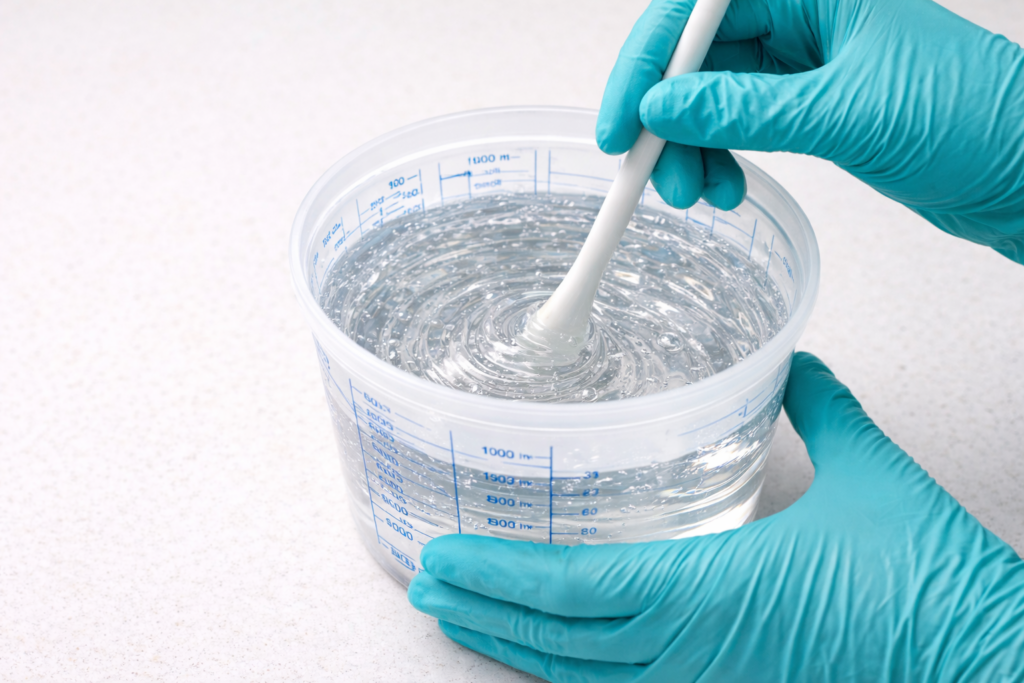
Accurate measuring and mixing of resin components are critical to project success. Always follow the manufacturer’s instructions regarding the ratio of resin to hardener. Using improper ratios can lead to incomplete curing, affecting both the integrity and appearance of the final piece. Use separate measuring cups for each component to avoid cross-contamination and ensure precision. Once measured, mix the components slowly and thoroughly to avoid creating bubbles.
Preventing Skin and Eye Contact
Direct contact with resin can cause irritation or allergic reactions. Wear appropriate personal protective equipment, including nitrile gloves and safety goggles, to shield your skin and eyes. Carefully handle resin to avoid spills and splashes, and wash any exposed skin immediately with soap and water should contact occur. For an extra layer of protection, consider using aprons or long-sleeved shirts.
Storage and Disposal of Resin Materials
Proper storage and disposal of resin materials help prevent accidents and environmental harm. Store resin and hardener in a cool, dry place, out of direct sunlight and away from heat sources. Ensure containers are well-sealed to prevent leaks and degradation. When disposing of resin materials, follow local regulations and guidelines. Never pour resin waste down a drain; instead, use designated hazardous waste disposal services to dispose of it responsibly. Always clean tools immediately after use to extend their life and maintain cleanliness.
Conclusion
Preserving flowers in resin can be a rewarding and creative craft, but it is important to prioritize safety precautions throughout the process. Always ensure you work in a well-ventilated area to minimize inhalation of fumes. Don’t forget to use protective gear, such as gloves and a respirator, to protect your skin and respiratory system. Additionally, take care when handling tools like heat guns and sandpaper. By following these guidelines, you can enjoy your craft safely and create beautiful, lasting pieces.